
Plant-Based Power: Nourish Your Body, Transform Your Life
Discover how a plant-based lifestyle supports women's health, energy, and wellbeing through nutrient-dense whole foods and mindful eating practices.
The information on this site is for educational purposes only and does not constitute medical advice. Always consult a qualified healthcare professional before making health decisions.
Impact by the Numbers
Women report improved energy levels after transitioning to plant-based eating
Reduction in cravings and blood sugar fluctuations with balanced whole-food plant sources
Women experience better digestive health from plant-based fiber intake
Of plant-based eaters report feeling more aligned with their personal values
Why Women Choose Plant-Based Living
Plant-based eating offers women a science-backed approach to nourishing their bodies with whole foods that support hormonal balance, sustained energy, and long-term wellbeing. Rather than restrictive dieting, this lifestyle embraces abundance—plenty of colorful vegetables, legumes, whole grains, nuts, and seeds that deliver essential micronutrients.
Women often find that plant-based eating reduces bloating, stabilizes mood, and improves skin clarity. The emphasis on whole foods means fewer processed ingredients and artificial additives, allowing your body to function at its best.
Beyond individual health, many women are drawn to plant-based living for its positive environmental and ethical impact. This alignment between personal values and daily choices creates a deeper sense of purpose and satisfaction.
- Nutrient density: Plant foods rich in vitamins, minerals, and phytonutrients
- Hormone support: Fiber and plant compounds that support estrogen metabolism
- Sustained energy: Balanced macronutrients prevent blood sugar crashes
- Values alignment: Environmental and ethical consistency in daily choices
Essential Nutrients for Women on Plant-Based Diets
Iron & B12
Plant-based iron (non-heme) requires vitamin C for optimal absorption. Focus on lentils, chickpeas, spinach, and pumpkin seeds. B12 is essential and should come from fortified plant milks, nutritional yeast, or supplements to prevent deficiency.
Food sources: fortified cereals, tempeh, hemp seeds, dark leafy greens
Calcium & Vitamin D
Women need adequate calcium for bone health, especially as estrogen levels shift. Plant sources include fortified plant milks, tofu, tahini, and leafy greens. Vitamin D3 from algae or sunlight exposure is equally important for calcium absorption.
Food sources: fortified almond milk, collard greens, almonds, tahini, chia seeds
Omega-3 Fatty Acids
Essential for brain health, heart health, and hormone balance. Plant-based omega-3s (ALA) come from flaxseeds, chia, and walnuts. Consider converting to EPA/DHA through algae supplements for optimal brain and hormonal support.
Food sources: flaxseeds, walnuts, hemp seeds, pumpkin seeds, algae supplements
Protein & Amino Acids
Plant proteins are complete when combined thoughtfully. Legumes paired with grains, or individual sources like quinoa and buckwheat, provide all nine essential amino acids. Aim for varied protein sources throughout the day.
Food sources: lentils, chickpeas, quinoa, tofu, tempeh, nuts, seeds
Zinc & Selenium
Both minerals support immune function and reproductive health. Plant-based zinc comes from legumes, seeds, and nuts, but may require higher intake due to phytic acid content. Soaking and sprouting foods can improve absorption.
Food sources: pumpkin seeds, chickpeas, cashews, hemp seeds, Brazil nuts
Iodine
Critical for thyroid function and metabolism. Plant-based iodine depends on soil content, making iodized salt or sea vegetables important inclusions. A small amount of iodized salt or nori seaweed ensures adequate intake.
Food sources: iodized salt, nori seaweed, cranberries, prunes, iodine supplements
Plant-Based Meal Inspiration

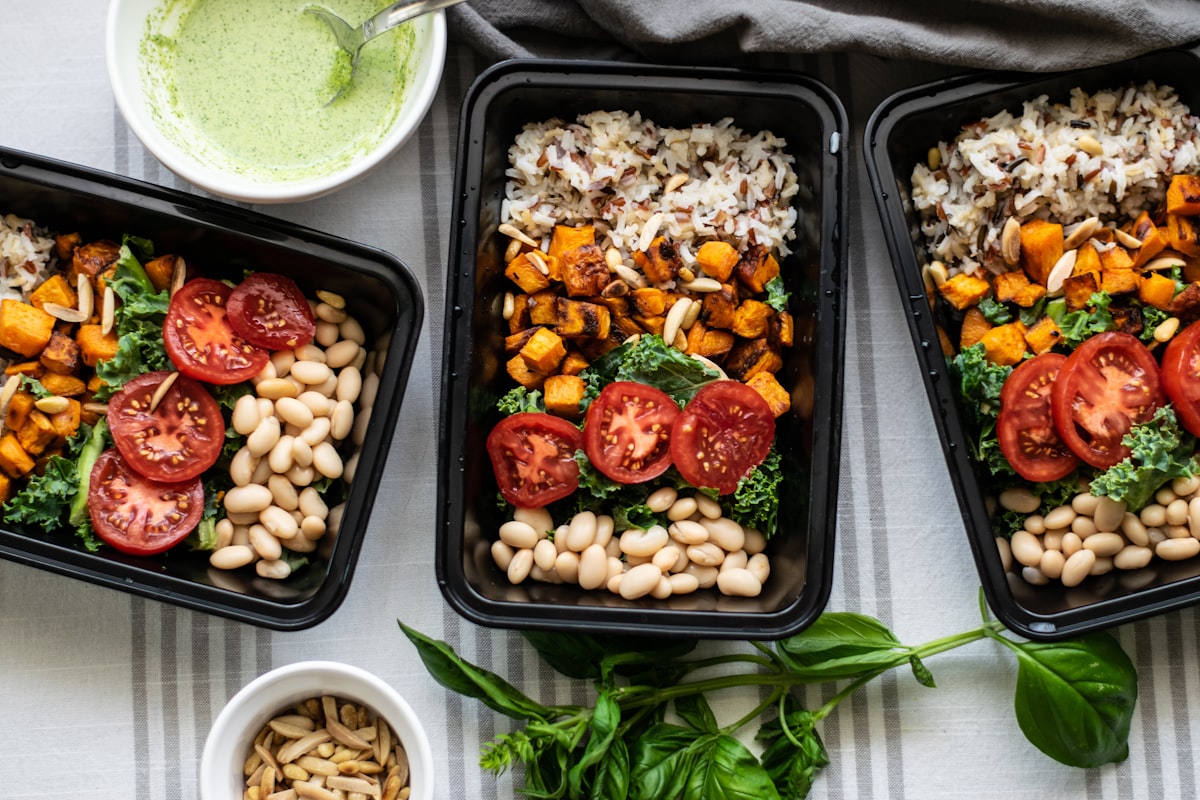
Nutrient-Dense Buddha Bowls
Balanced bowls combining whole grains (quinoa, farro), legumes (chickpeas, lentils), roasted vegetables, and healthy fats (nuts, seeds, avocado). Build your bowl with intention—choose colors to ensure micronutrient variety.
Key tip: Add a vitamin C source to enhance iron absorption from plant-based ingredients

Warming Legume-Based Soups
Soups and stews leverage the nutrition of beans and lentils while supporting hydration. Slow-cooked legumes become more digestible, and the broths extract minerals. Perfect for meal prep and sustained satiety.
Key tip: Use vegetable broth fortified with B12 or add nutritional yeast for additional nutrients

Vibrant Salads with Plant Protein
Raw vegetables deliver enzymes and maximum micronutrient content. Layer in tofu, tempeh, or nuts for protein completeness. Dark leafy greens provide bioavailable calcium and iron, especially with lemon juice dressing.
Key tip: Pair greens with healthy fat to enhance absorption of fat-soluble vitamins A, D, E, K
Energy-Boosting Smoothie Bowls
Blended plant milks, fruits, greens, and plant-based protein powder create nutrient-dense breakfast bowls. Topped with seeds, nuts, and fresh fruit for sustained energy and micronutrient density.
Key tip: Add ground flaxseed or chia for omega-3s and B12-fortified plant milk for complete nutrition
Whole Grain Pilafs & Risottos
Whole grains (brown rice, farro, barley) paired with vegetables and plant-based broths create satisfying, nutrient-complete meals. Slow absorption of carbohydrates prevents blood sugar spikes.
Key tip: Cook grains in vegetable broth with added seaweed to boost mineral content

Satisfying Plant-Based Snacks
Nuts, seeds, fresh fruit, and whole-grain crackers with plant-based dips keep energy stable throughout the day. Strategic snacking prevents overeating at main meals and supports consistent nutrient intake.
Key tip: Pair carbohydrate snacks with protein or fat for stable blood sugar and prolonged satiety
A Practical Guide to Transitioning to Plant-Based Eating
Start with Abundance, Not Restriction
Rather than focusing on what you're removing, explore what you're adding. Experiment with plant-based foods you've never tried—exotic vegetables, new grains, varied legumes, plant-based proteins. Many women find a successful transition happens naturally when they discover foods they genuinely enjoy.
Action: This week, try one new plant-based ingredient you've never used before
Master Balanced Meals & Nutrient Pairing
Learn to build meals with purpose: combine legumes or soy with whole grains for complete protein, add vitamin C sources with iron-rich foods, include healthy fats with meals for nutrient absorption. Understanding these fundamentals removes guesswork and ensures you're meeting nutritional needs.
Action: Study the nutrient pairing guide and plan three balanced meals this week
Address Potential Nutritional Gaps
Certain nutrients require strategic attention on plant-based diets: B12 supplementation or fortified foods, vitamin D (from sunlight or supplements), omega-3s (from algae or flaxseeds), and potentially iron or iodine depending on your current levels. Blood work can help identify personal gaps.
Action: Consider a baseline blood test and identify which nutrients need supplementation for your unique needs
Build Your Support System & Adapt Over Time
Whether through online communities, reading educational resources, meal planning tools, or working with a plant-based nutrition professional, having support makes transitions sustainable. Allow yourself to adapt—there's no single "right" way to eat plant-based. Your approach may evolve as you learn what feels best for your body.
Action: Connect with communities, bookmark helpful resources, and revisit your approach every few months
Health & Lifestyle Benefits of Plant-Based Eating for Women
Cardiovascular Support
Plant-based diets naturally lower in saturated fat and cholesterol support heart health. High fiber content helps maintain healthy cholesterol levels, while potassium-rich foods support blood pressure regulation.
Mental Clarity & Mood
Stable blood sugar from whole plant foods, omega-3 fatty acids, B vitamins, and antioxidants all support cognitive function and emotional wellbeing. Many women report improved focus and more balanced moods.
Sustained Energy & Vitality
Balanced macronutrients and sustained carbohydrate absorption prevent the energy crashes common with processed foods. Women often report waking refreshed and maintaining steady energy throughout the day.
Digestive Health & Clarity
High fiber from vegetables, legumes, and whole grains supports healthy digestion, regular elimination, and beneficial gut bacteria growth. Reduced bloating and improved digestive comfort are common experiences.
Skin Radiance & Cellular Health
Antioxidants, phytonutrients, and micronutrients in plant foods support skin health from within. Many women notice clearer complexion, reduced inflammation, and improved skin texture.
Values Alignment & Purpose
Choosing plant-based foods aligned with personal ethics creates a sense of purpose and integrity. This psychological benefit—living according to your values—enhances overall life satisfaction and wellbeing.
Common Questions Answered
Do I get enough protein on a plant-based diet?
Yes, when you eat a variety of plant foods. Legumes (lentils, chickpeas, beans), soy products (tofu, tempeh), whole grains, nuts, and seeds all contain protein. Eating a mix of these throughout the day ensures all nine essential amino acids. Most women find they actually eat more protein plant-based when they plan meals intentionally.
Is B12 really a concern?
B12 is the one nutrient you cannot reliably get from plant foods alone. However, it's easy to address through fortified plant milks, nutritional yeast, or a simple supplement. Many plant-based people take B12 supplements—this is considered safe, effective, and standard practice in plant-based nutrition.
Will I have enough energy for exercise?
Plant-based athletes excel at all levels. The key is eating enough calories and ensuring balanced nutrition—adequate carbohydrates for fuel, protein for muscle recovery, and healthy fats for hormone production. Many active women report improved recovery and sustained energy on plant-based diets.
How do I handle cravings during transition?
Cravings often signal nutritional gaps, boredom, or habit. Ensure balanced meals with adequate calories and nutrients. Explore new plant-based versions of favorite foods. Allow yourself flexibility and enjoyment—perfection isn't the goal. Most women find cravings naturally diminish as their body adjusts and they discover satisfying plant-based options.
Can I still eat plant-based if I have food allergies?